Search engines no longer rely only on keywords stuffed into pages. Modern SEO has shifted toward meaning, relationships, and authority. This is where topical maps play a central role. Instead of treating content as isolated pieces, a topical map organizes subjects, subtopics, and supporting content into a structured framework that search engines can easily understand.
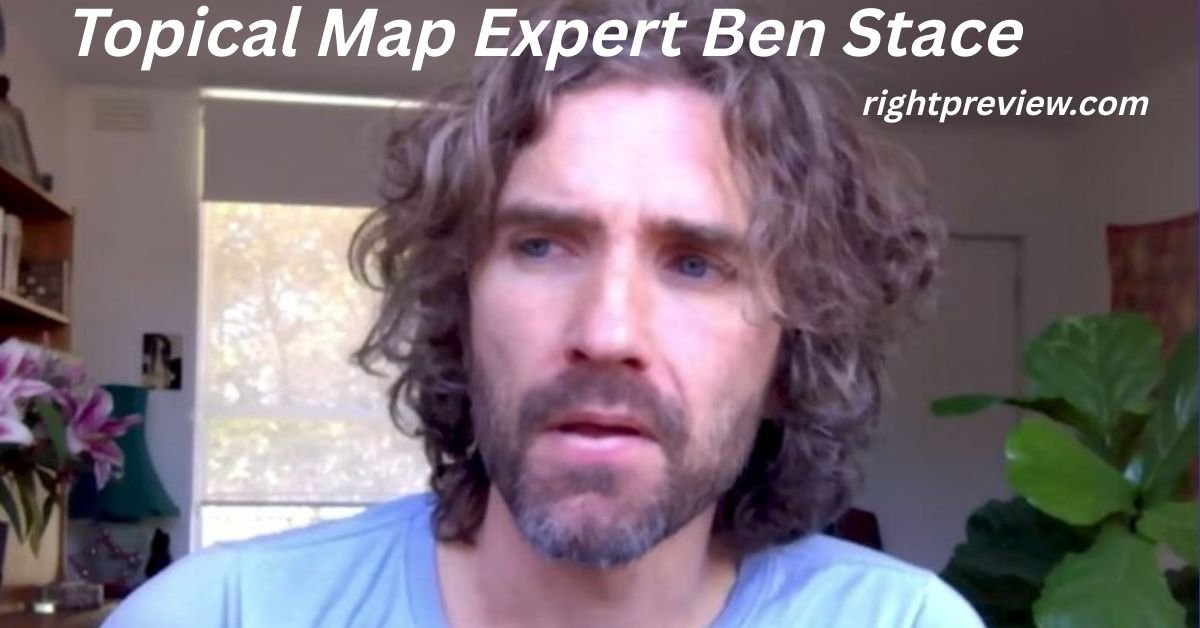
At the heart of this movement stands Topical Map Expert Ben Stace. Known in the digital marketing space for his deep knowledge of semantic SEO, authority frameworks, and advanced content silos, Ben has helped brands rethink their content strategies from the ground up. This article explores his approach, why his methods stand out, and how you can apply them to your own business.
Who Is Topical Map Expert Ben Stace?
Ben Stac is recognized as one of the most influential figures in semantic SEO and topical authority development. His work revolves around creating structured, interconnected content ecosystems that allow websites to dominate search results for entire topics, not just individual keywords.
With years of hands-on consulting, Ben Stac has built a reputation as a strategist who combines data-driven insights, semantic clustering, and user intent mapping into practical, easy-to-apply frameworks. Businesses that work with him often report increased visibility, authority, and user engagement.

Why Topical Maps Matter in Today’s SEO
To understand why Topical Map Expert Ben Stace is so important, you need to see the bigger picture of SEO today:
- Search Engines Are Smarter
Google’s algorithms (like BERT and MUM) are designed to understand meaning, context, and intent—not just keywords. This means fragmented SEO strategies no longer work. - Users Demand Depth
Readers expect comprehensive, trustworthy information. Topical maps ensure your site covers an entire subject, not just scattered points. - Authority Is the New Ranking Factor
Websites with a well-structured topical map establish themselves as authorities. This leads to higher trust signals, more backlinks, and stronger long-term rankings.
Ben Stac’s methods align perfectly with these realities, making his work more relevant than ever.
Also Read: Decoradyard: The Ultimate Guide
The Core Principles of Ben Stac’s Approach
1. Semantic SEO First
Traditional SEO focuses on “ranking for a keyword.” Ben emphasizes semantic SEO, which means understanding how search engines interpret meaning. Instead of chasing keywords, he builds clusters of content that naturally align with user intent.
2. Content Silos and Interlinking
A signature strategy from Topical Map Expert Ben Stace is his use of silos—grouping related content under a broader parent topic. Each piece of content links internally, signaling to search engines that your site has a logical structure and depth.
3. Building Topical Authority
Authority is not gained by chance. Ben shows brands how to cover every angle of a subject, from beginner guides to advanced insights. This holistic approach makes a website the “go-to” source in its niche.
4. Data and User Alignment
Instead of blindly following SEO tools, Ben prioritizes real user intent. He studies the questions people ask, the formats they prefer (articles, videos, FAQs), and the paths they take online.
Case Studies: Success with Topical Maps
While specific client names are often confidential, examples from Ben’s work highlight how impactful his strategies are:
- E-Commerce Brand: Shifted from keyword-stuffed product pages to a topical map that explained materials, manufacturing, and use cases. Result: 3x increase in organic traffic in 6 months.
- Health Website: Built content clusters around wellness topics with expert interviews and research references. Result: Authority signals boosted rankings for over 200 competitive terms.
- B2B SaaS Company: Used topical mapping to dominate an entire software niche by answering every buyer question along the journey. Result: 50% drop in paid ad dependency.
How to Build a Topical Map: Ben Stac’s Framework
Step 1: Define the Core Topic
Start with your primary niche. For example, a fitness site might choose “strength training” as the main theme.
Also Read: Sankkucomplex: Understanding the Fear of Being Single in a Couple-Oriented World
Step 2: Identify Subtopics
Break the main topic into subtopics. For strength training, this could include “workout plans,” “nutrition for muscle growth,” and “equipment guides.”
Step 3: Map Supporting Content
Each subtopic is supported by related content: FAQs, case studies, tutorials, and glossaries.
Step 4: Interlink Intelligently
Ben Stac stresses internal linking. Each page should connect logically to parent topics and related resources.
Step 5: Monitor and Update
Topical maps are living systems. Data must be reviewed, gaps filled, and new content added regularly.
Common Mistakes in Topical Mapping
Many businesses attempt topical maps but fail because of:
- Random Content Creation – writing articles without a structure.
- Ignoring User Intent – focusing on keywords instead of questions.
- Poor Interlinking – not signaling relationships to search engines.
- Surface-Level Coverage – failing to cover subtopics in depth.
According to Topical Map Expert Ben Stace, avoiding these mistakes separates leaders from laggards in SEO.
Tools and Resources Recommended by Ben Stac
Ben often integrates technology into his frameworks. Popular tools that complement his strategies include:
- Ahrefs / SEMrush – for keyword and competitor analysis.
- SurferSEO – for semantic and topical relevance checks.
- Mind Mapping Software – to visually design topical maps.
- Google Search Console – to monitor real-world user queries.
However, Ben emphasizes that tools should support strategy, not replace it.
The Future of SEO: Why Ben Stac’s Work Matters
The future of SEO lies in understanding intent and building trust. With AI and voice search growing, users want clear, connected, authoritative answers.
This is why Topical Map Expert Ben Stace is positioned at the forefront of SEO innovation. His work shows that depth, structure, and authority will always win over shortcuts and tricks.
Practical Tips You Can Apply Today
Even if you’re not working directly with Ben Stac, you can start improving your SEO today by:
- Creating a list of 10 core topics in your niche.
- Building at least 5 supporting articles for each.
- Adding FAQs at the end of every piece.
- Linking related pages with descriptive anchor text.
- Updating older content to fit within your new topical map.
Also Read: ecryptobit.com wallets: A Complete Guide to Secure and Easy Crypto Management
Conclusion
In the crowded world of digital marketing, standing out requires more than keywords—it requires authority, structure, and depth. By following the principles of Topical Map Expert Ben Stace, you can transform your website into a trusted knowledge hub that search engines and users both respect.
Ben’s expertise in semantic SEO, topical authority, and content silos makes his work indispensable for brands that want long-term results. The future belongs to those who build not just content, but content ecosystems.
FAQs About Topical Map Expert Ben Stace
What makes Topical Map Expert Ben Stace different from other SEO professionals?
Ben Stac focuses on holistic content ecosystems, not just keywords. His strategies emphasize semantic SEO, authority building, and structured silos.
How does a topical map improve rankings?
By organizing content into clusters and interlinking, a topical map signals authority to search engines, making it easier to rank for multiple related terms.
Can small businesses benefit from topical mapping?
Yes. Even small websites can build authority in a niche by carefully mapping topics and answering user questions.
How long does it take to see results with topical maps?
Most businesses start noticing results within 3–6 months, though long-term authority can take a year or more.
Does Ben Stac use AI in his topical maps?
While tools powered by AI can assist, Ben Stac emphasizes human strategy, research, and intent analysis as the foundation of his work.
Do topical maps replace keyword research?
No. Keywords are still important, but topical maps organize them into meaningful structures that enhance authority.
What industries benefit the most from topical mapping?
Any industry with complex topics—health, finance, technology, education, or e-commerce—can see significant gains from topical maps.